
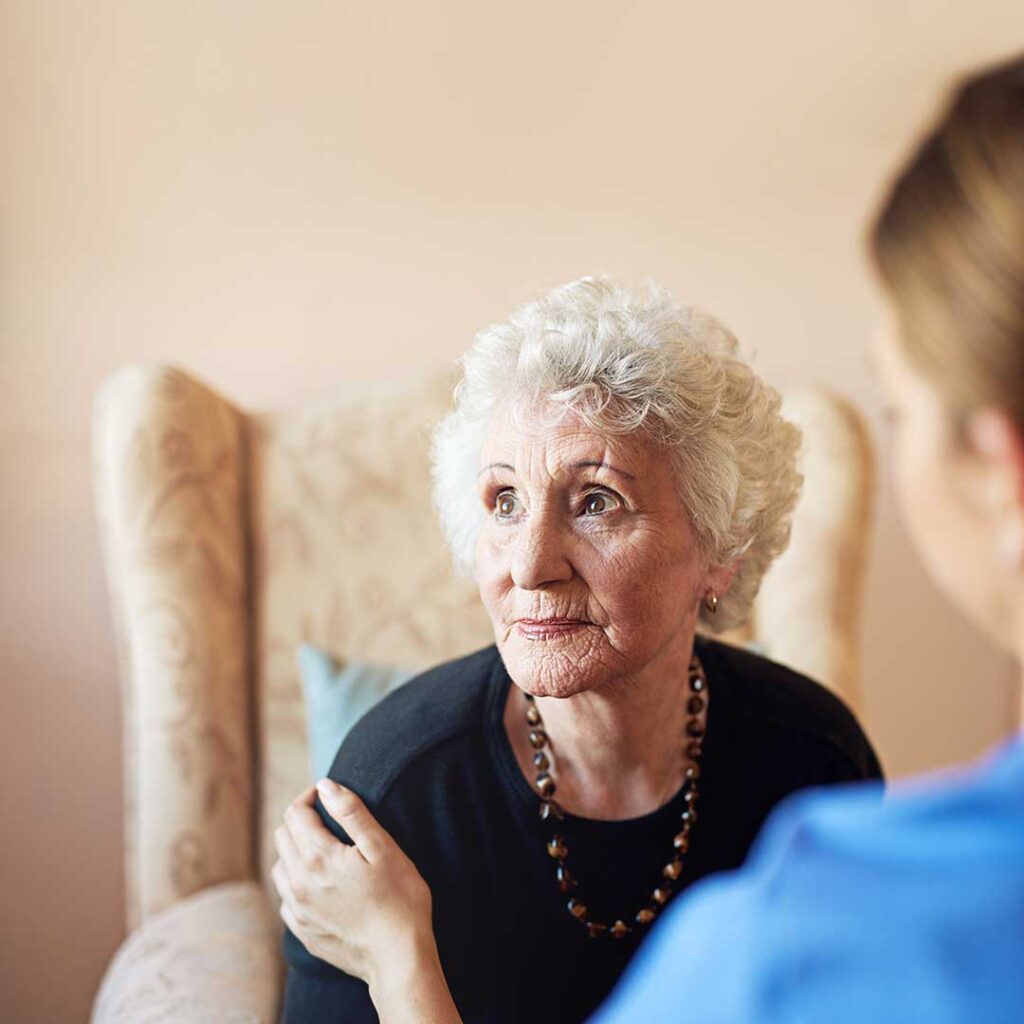
What Is Caregiver Guilt and Why Does It Happen?
Caregiver guilt is a common emotional response among people supporting loved ones through the transition to assisted living or handling ongoing care at home. It often stems from feeling that one hasn’t done enough or has let down a family member, even when circumstances dictate difficult choices.
In Steelton, PA, many families face unique pressures—balancing jobs, seasonal weather challenges, and limited housing options can make caregiving decisions especially challenging. It’s normal to feel torn, especially given the city’s close-knit nature, where expectations about family responsibility can weigh heavily. Recognizing that caregiver guilt is not a reflection of failure is an important first step.
Do Other People Feel This Way?
Most family caregivers experience guilt at some point. Whether supporting elders through harsh winters or navigating local traffic to visit regularly, nearly everyone worries if they’re doing enough. People often imagine others in the community “have it all together,” but behind closed doors, many wrestle with similar doubts.
Acknowledging this common ground can relieve the sense of isolation. Conversations at local parks or community events frequently reveal shared stories of exhaustion, second-guessing, and hope to do right by loved ones. Reaching out—whether to peers, neighbors, or supportive family—can help lighten the emotional load.
What Are Typical Triggers for Caregiver Guilt?
Guilt may arise from a variety of situations:
- Deciding it’s no longer safe for a loved one to live alone, especially during icy winters or storms frequent in Steelton.
- Feeling unable to visit as often as hoped due to job obligations or family needs.
- Encountering frustration or impatience with a loved one’s shifting personality or increased dependence.
- Comparing one’s own care efforts to perceived standards in the community or extended family.
Sometimes, even well-intentioned comments from friends or relatives can trigger doubts. Understanding these triggers can help individuals separate genuine concerns from unnecessary self-blame.
How Can Caregivers Reduce Guilt When Choosing Assisted Living?
The move to assisted living is one of the most difficult decisions many families will make. It typically surfaces fears that a loved one will feel abandoned or that personal obligations haven’t been met.
Here’s how to reframe the situation:
- Recognize that local assisted living communities are designed for safety and specialized care, particularly helpful during challenging weather or medical emergencies common in the area.
- Understand that proximity still allows for frequent visits, involvement in activities together, and the ability to oversee care.
- Remember that physical, emotional, and logistical limits are realities for everyone. Professional support can provide stability and improved well-being for both residents and their caretakers.
Staying involved in activities—like seasonal craft fairs or local family days—helps maintain a strong connection and sense of family, which can ease lingering guilt.
Are There Practical Steps to Manage Caregiver Guilt Day-to-Day?
Taking small, consistent steps can help caregivers feel more at peace with their decisions and actions.
- Establish a realistic routine for calls, visits, or video chats that fits personal schedules and seasonal factors, such as early evenings during winter or midday visits when roads are safer.
- Participate in care planning meetings or check-ins when possible to stay informed and advocate for a loved one’s preferences.
- Prioritize self-care, even if only five minutes a day for a walk around the block or a few moments with a book or hobby.

Recognizing wins—such as arranging a favorite meal, sharing family news, or organizing a visit from a grandchild—can reinforce the meaningful role each person continues to play.
What Misconceptions Make Guilt Worse?
People often believe that caring for a loved one means providing round-the-clock, in-home care, regardless of personal cost or situation. This belief can be especially strong in tight-knit communities, fueled by stories of generations living under one roof or neighbors “never putting parents in a home.”
In reality, the ability to care for someone is shaped by factors like job demands downtown, housing space, and available resources throughout Steelton. Accepting that needs and resources shift over time allows families to adapt care without guilt.
How Can Caregivers Find Emotional Support Locally?
Emotional support is crucial. Local resources—formal or informal—make a difference.
Residents might:
- Talk with friends or neighbors who have been through similar situations.
- Attend meetings of caregiver support groups at community centers or libraries, especially during cold months when social isolation increases.
- Share care responsibilities with siblings, cousins, or other relatives, tapping into the community spirit of help.
For those more comfortable in private, keeping a journal or tracking mood and thoughts over time can help process feelings and spot patterns that repeat.
What If Guilt Lingers?
Persistent, overwhelming guilt can sometimes signal caregiver burnout or deeper distress. While fleeting self-doubt is normal, ongoing feelings of failure or sadness shouldn’t be ignored. Speaking with a health care provider—for oneself, not just the loved one—can help determine if additional support is needed.
Accepting that loving someone, in any setting, means making hard choices is the foundation of lasting care—whether in a household, across the river, or in the city’s close neighborhoods.
