
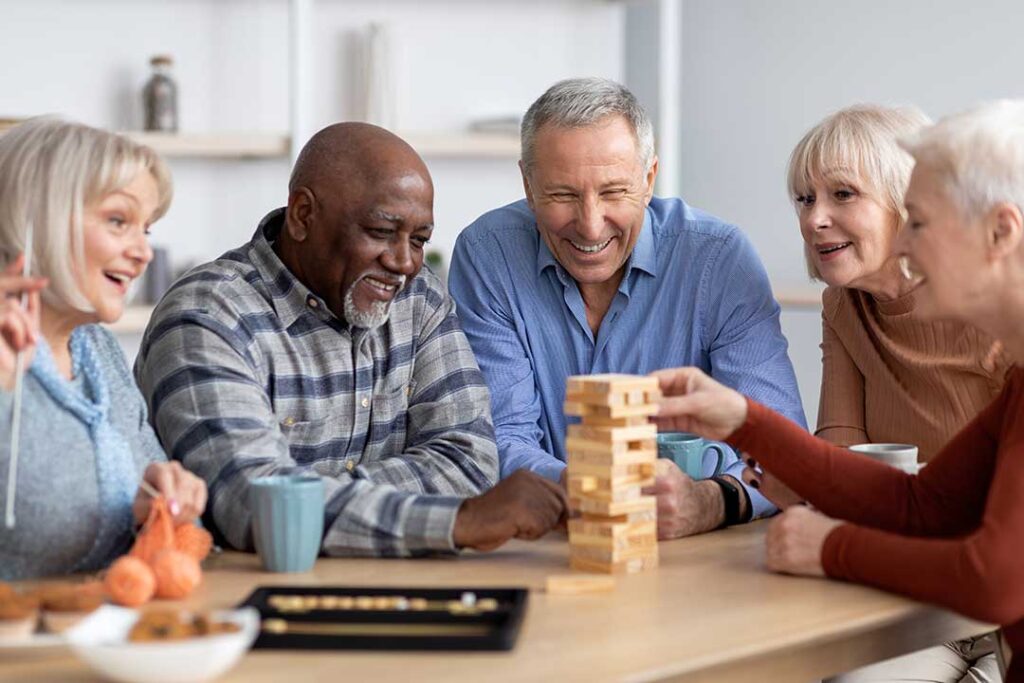
Creative hobbies can help residents in assisted living maintain a sense of purpose, express personal interests, and connect with others. Activities do not need to be complicated or physically demanding; the most valuable hobbies are enjoyable, adaptable, and meaningful to the individual.
Why are creative hobbies helpful for seniors in assisted living?
Creative hobbies support emotional well-being, mental stimulation, and social connection. They also give residents something to anticipate and a way to continue familiar routines after a move into assisted living.
A hobby may help a resident:
- Express feelings and personal memories
- Practice hand coordination and concentration
- Reduce boredom during unstructured parts of the day
- Build friendships through shared interests
- Preserve familiar traditions and skills
- Feel capable, productive, and independent
Creative activities should not be treated as tests of artistic ability. The goal is participation and enjoyment, not producing perfect results.
Which creative hobbies are easiest to adapt?
The best activities can be adjusted for different levels of mobility, vision, hearing, memory, and hand strength. Projects should allow residents to participate while seated, work at their own pace, and stop when tired.
Good options include:
Drawing, coloring, and painting
Large-print coloring pages, watercolor painting, sponge painting, and simple sketching can be adapted for beginners. Wide-handled brushes and easy-grip pencils may be more comfortable for residents with arthritis or reduced hand strength.
Nature scenes, seasonal patterns, and familiar household objects often provide approachable subjects. During colder months in Steelton, PA, indoor art activities can offer a pleasant way to spend time when outdoor movement is limited.
Collage and memory boards
Collage projects can use magazine pictures, safe fabric scraps, greeting cards, copies of family photographs, or printed images related to music, food, travel, and holidays. Residents can choose materials without needing to draw or write.
A memory board may focus on a favorite decade, a former occupation, family traditions, or places that hold personal meaning. Staff and family members should ask permission before displaying personal photographs or sharing stories publicly.
Music and singing
Music-based hobbies may include singing familiar songs, listening groups, rhythm instruments, or discussing favorite performers and musical periods. Residents who do not wish to sing can still participate by tapping, listening, or choosing songs.
Music can also support reminiscence. A playlist connected with a resident’s younger years may encourage conversation, although personal preferences should guide the activity rather than assumptions about age.
Writing and storytelling
Residents may enjoy journaling, writing short poems, creating family stories, or dictating memories to another person. Writing can be done with paper, a large-print notebook, or verbal recording when holding a pen is difficult.
Useful prompts include:
- A favorite childhood meal
- A memorable job or accomplishment
- A holiday tradition
- Advice for younger family members
- A place that felt like home
- A funny or surprising life experience
The resident should control what is shared. A story does not need to be corrected for grammar or rewritten unless the resident asks for help.
What hobbies work well for residents with memory loss?
Residents with memory loss may benefit from familiar, sensory, and step-by-step activities. Projects should have a clear beginning and end, with limited materials presented at one time.
Helpful examples include sorting buttons by color, folding fabric, arranging flowers, decorating simple cookies, matching pictures, or listening to familiar music. Repetitive activities can be calming when they are voluntary and not presented as busywork.
Instructions should be brief and concrete. Instead of explaining an entire project at once, offer one step, demonstrate it, and allow the resident time to respond. Avoid correcting mistakes unless safety is involved. A resident may enjoy the process even if the finished item does not resemble the original plan.
How can hobbies be made safer and more comfortable?
Creative activities should be arranged around the resident’s abilities, not the other way around. A stable chair with arm support, good lighting, and a comfortable table height can reduce strain.

Practical safety measures include:
- Use non-toxic, washable materials
- Avoid small items if there is a choking concern
- Choose blunt-ended scissors or adaptive scissors when appropriate
- Keep cords, loose rugs, and clutter away from walkways
- Offer frequent rest periods
- Check that paints, adhesives, and scented materials are tolerated
- Avoid forcing a resident to continue after signs of fatigue or frustration
Residents with swallowing concerns, allergies, significant vision loss, or difficulty using their hands may need an activity modified. Safety concerns involving mobility, cognition, or medical restrictions should be discussed with the resident’s care team.
Can creative hobbies be social without becoming overwhelming?
Yes. Small groups are often easier for residents who become tired, anxious, or distracted in larger gatherings. A group of three or four people can provide conversation while still allowing quiet participation.
Not every activity needs to be competitive or highly structured. Residents may prefer sitting together while working on separate projects. For example, one person may knit, another may color, and another may listen to music while conversation develops naturally.
A resident who prefers one-to-one interaction may enjoy creating a project with a family member, care aide, or friend. Social connection can come from sharing materials, exchanging ideas, or simply being present in the same room.
What if a resident says they are not creative?
Many residents associate creativity with artistic talent, but creative hobbies include choosing, arranging, remembering, decorating, repairing, cooking, and telling stories. A person who does not want to paint may enjoy organizing photographs, selecting music, making greeting cards, or discussing how to prepare a familiar recipe.
Offering choices is usually more effective than insisting on a particular activity. Two or three options may be enough. A resident might choose between listening to music, working on a puzzle, or arranging flowers.
Past interests provide useful clues. Someone who enjoyed gardening may appreciate planting herbs in containers. A former seamstress may enjoy handling fabric or sorting colors, even if detailed sewing is no longer comfortable. A person who worked with tools may prefer simple assembly or repair-themed activities that do not involve sharp equipment.
How can families support creative interests during visits?
Families can bring a familiar hobby, photographs, handwritten recipes, music selections, or simple project materials. Items should be labeled and stored safely so they are not misplaced or confused with another resident’s belongings.
Visits do not need to center on conversation. Looking through photographs, decorating a card, folding paper, or listening to music together can make interaction easier for residents who have difficulty finding words.
Family members should follow the resident’s energy level. A short, successful activity is often better than a long project that causes fatigue. The resident’s choices, privacy, and changing abilities should remain the priority.
How should an activity be judged?
A creative hobby is successful if the resident feels engaged, comfortable, and respected. The finished product matters less than whether the activity matched the person’s interests and abilities.
Signs that an activity may be a good fit include relaxed attention, spontaneous conversation, willingness to participate again, or pride in showing the result to someone else. Signs that it needs adjustment include repeated frustration, withdrawal, physical discomfort, or confusion about too many steps.
Creative hobbies can change over time. A resident may enjoy painting one month and prefer music, storytelling, or simple sensory activities later. Flexibility allows assisted living activities to remain personal rather than routine for routine’s sake.
